DVLA ANPR guidance update: what UK drivers need to know
by March 3, 2026 1:28 pm0
The Driver and Vehicle Licensing Agency (DVLA) has refreshed its official guidance on how it uses Automatic Number Plate Recognition (ANPR), giving motorists and fleet operators a clearer view of how vehicle compliance checks are carried out.
The updated GOV.UK guidance explains where ANPR fits into DVLA enforcement activity and why accurate vehicle records matter. For drivers, the practical takeaway is straightforward: if your vehicle details are not up to date, or your tax and registration position is unclear, enforcement checks can escalate quickly.
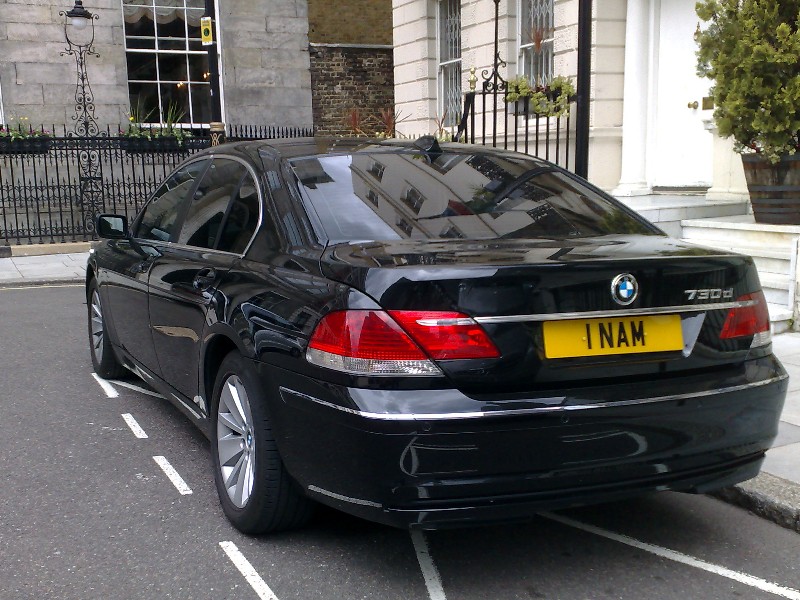
What the updated DVLA ANPR guidance means
ANPR technology reads number plates and compares records against official databases. DVLA’s guidance update reinforces that this process is used as part of lawful compliance and enforcement work, including action against untaxed or non-compliant vehicles.
Why this matters for everyday motorists
- Vehicle tax and registration details should be kept current.
- Address and keeper information must be accurate.
- Delays in updating records can create avoidable issues if a vehicle is flagged.
Many drivers only discover admin problems when they receive enforcement notices or penalties. Checking your details in advance is generally the safest approach.
Key actions drivers can take now
1) Confirm your registration and keeper details
Make sure your V5C and associated records are accurate, especially after moving house or buying/selling a vehicle.
2) Check tax status and deadlines
If your tax has lapsed, resolve it immediately. For background, our guide on how DVLA finds untaxed cars explains how enforcement can begin.
3) Keep documentation ready
Where relevant, keep key licence and identity paperwork organised. Our page on driving licence application identity documents is a useful refresher.
For businesses and fleet operators
For fleet teams, ANPR-related checks are another reason to keep internal compliance routines tight. Regular audits of vehicle tax status, keeper records and handover processes can reduce operational disruption and avoid enforcement complications.
Bottom line
DVLA’s ANPR guidance update is less about changing the rules and more about clarifying how enforcement works in practice. For motorists and businesses alike, the message is clear: accurate records and timely vehicle admin remain the best protection against avoidable penalties.
Source: GOV.UK — How DVLA uses Automatic Number Plate Recognition (updated February 2026).